

Uttar Pradesh’s tourism landscape reflected a strong focus on regional growth, global engagement, and more immersive travel experiences. Development plans were reviewed across key divisions, while fresh opportunities under the Tourism Policy sought to attract investment into heritage, recreation, and hospitality. Initiatives such as The Riding Chapters encouraged travellers to explore the state’s lesser-known roads, landscapes, and historic sites, while renewed engagement with Japan and the BRICS community opened avenues for cultural exchange and international collaboration. At the same time, attention to destinations such as Sarnath and Rahi Sumer Singh Fort underscored the state’s efforts to preserve its cultural legacy while giving visitors new reasons to discover Uttar Pradesh.
Tourism and Culture Development Roadmap Reviewed
Across Uttar Pradesh
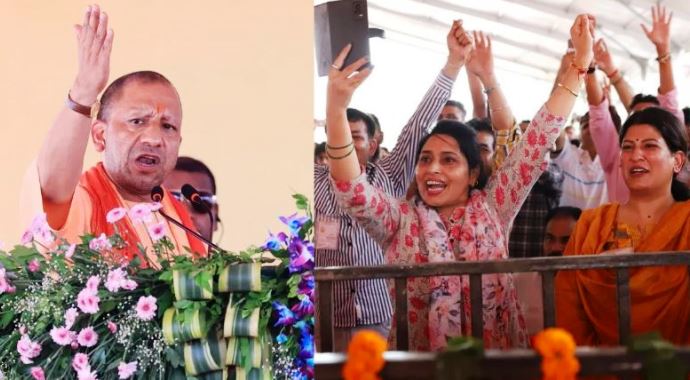
A series of regional review meetings was held across Prayagraj, Chitrakoot, Vindhyachal, Devipatan, Jhansi, Varanasi, Basti, Ayodhya, Azamgarh and Aligarh divisions to review the Tourism and Culture Department’s upcoming action plan for FY 2026-27. Hon’ble Minister of Tourism and Culture Shri Jaiveer Singh, Additional Chief Secretary, Tourism, Culture and Religious Affairs Shri Amrit Abhijat, and Director General, Uttar Pradesh Tourism Dr. Ved Pati Misra participated in these engagements alongside public representatives and senior officials. The discussions focused on tourism infrastructure, cultural and religious heritage, visitor facilities and timely implementation of development projects.
Tourism Investment Opportunities Expanded Through Policy Incentives
Uttar Pradesh continued to strengthen its investment friendly tourism ecosystem by offering opportunities across theme parks, amusement parks, water parks, water based tourism, heritage tourism, public museums and innovative hospitality projects. Under the Uttar Pradesh Tourism Policy 2022, investors could avail capital investment subsidies and other incentives, including exemptions on stamp duty, land conversion and development charges, along with interest subsidies in eligible categories. These opportunities supported modern tourism infrastructure, experiential attractions, heritage destinations and sustainable visitor experiences while encouraging private investment and regional economic growth.
Uttar Pradesh Tourism Newsletter August 2026